Global Economic Shift: Navigating the Landscape of Financial Market Volatility
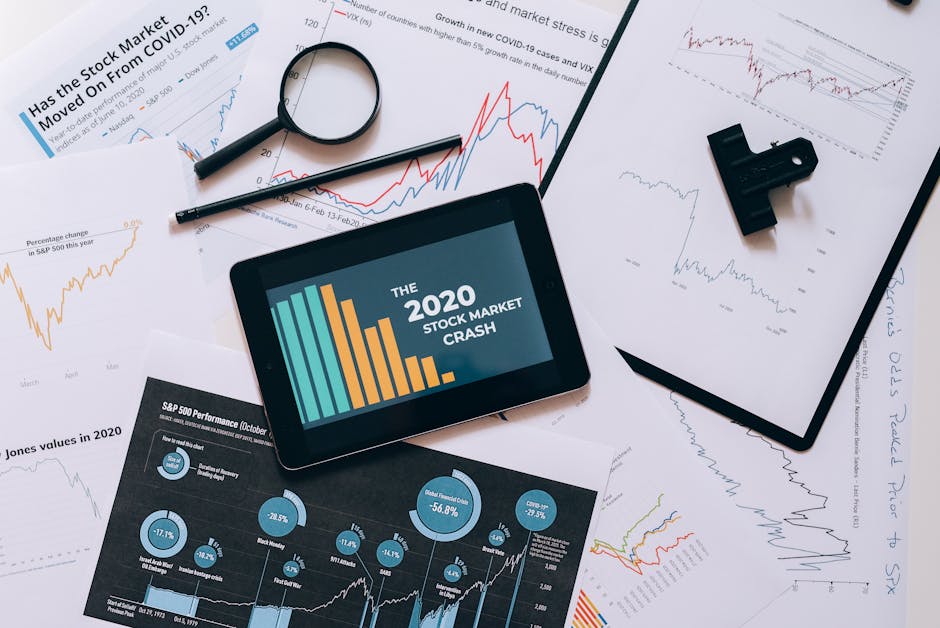
The global financial market has witnessed significant volatility in recent times, with far-reaching implications for investors, economies, and the overall stability of the financial system. This report delves into the current state of the market, analyzing key economic data, expert insights, and the potential impact on various sectors.
Market impact summary: The ongoing volatility in the financial market is attributed to a combination of factors, including geopolitical tensions, monetary policy shifts, and the lingering effects of the pandemic. These elements have contributed to fluctuations in stock prices, currency exchange rates, and commodity prices, affecting investor confidence and economic growth.
Detailed breakdown of the development: A closer examination of the economic data reveals that the global economy is experiencing a slowdown, with the International Monetary Fund (IMF) projecting a decline in growth rates for major economies. The IMF attributes this decline to trade tensions, decreased investment, and a decline in consumer spending. Furthermore, central banks have been implementing expansionary monetary policies to mitigate the effects of the slowdown, which has led to a decrease in interest rates and an increase in liquidity in the financial system.
Expert analysis suggests that the current market volatility is likely to persist in the short term, as investors continue to navigate the complexities of the global economic landscape. However, there are opportunities for growth in specific sectors, such as technology and healthcare, which are less susceptible to economic fluctuations. Additionally, the increasing adoption of sustainable investing practices is expected to drive growth in the renewable energy and environmental sectors.
Investor Implications: The current market volatility presents both challenges and opportunities for investors. To navigate this landscape, investors should adopt a long-term perspective, diversify their portfolios, and focus on sectors that are less correlated with economic fluctuations. Furthermore, investors should remain vigilant and adapt to changes in the market, seeking opportunities to capitalize on undervalued assets and growth potential.
Long-term economic forecast: Looking ahead, the global economy is expected to experience a gradual recovery, driven by the implementation of fiscal and monetary policies aimed at stimulating growth. The increasing adoption of digital technologies, the growth of emerging markets, and the expanding middle class in developing economies are expected to drive economic expansion in the long term. However, the pace of this recovery will depend on the ability of policymakers to address the underlying structural issues, such as income inequality, climate change, and trade tensions.
In conclusion, the current financial market volatility presents a complex landscape for investors and economies alike. By understanding the underlying factors driving this volatility and adopting a long-term perspective, investors can navigate the challenges and capitalize on the opportunities that arise. As the global economy continues to evolve, it is essential to remain informed, adapt to changing circumstances, and prioritize sustainable and responsible investing practices.